







Search Results for: Ice Drip Coffee
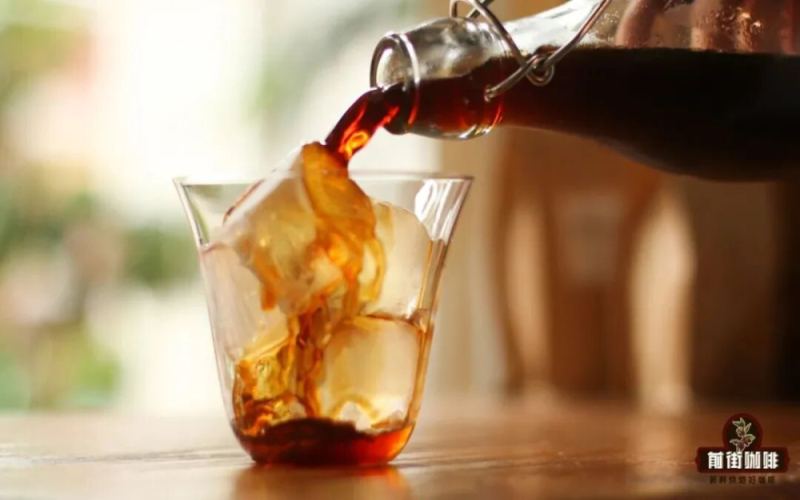
What is the difference between ice drip coffee and cold brew iced coffee? Analyzing why ice drip is more expensive and tastier, from extraction principles to taste
Ice drip coffee, iced Americano, iced latte, and iced pour-over all belong to the iced coffee family, but ice drip coffee is often priced notably higher, and its brewing process is shrouded in mystery. Although both it and cold brew complete extraction at low temperatures, their principles and steps are completely different. Based on the actual experience of Front Street Coffee, this article breaks down one by one the four key factors of ice drip coffee—equipment requirements, grind size, drip rate, and extraction ratio and aging time—compares it with the convenient method of cold brew, and explains why ice drip coffee is cumbersome to make yet has a rich, smooth, and layered flavor. At the same time, combining specific products such as Front Street Red Cherry, Front Street Little Tomato, Front Street Sidra, and Front Street Strawberry Candy, it provides a complete timeline from brewing to drinking and the pattern of flavor changes for a standard cup of ice drip coffee, helping coffee lovers understand why ice drip coffee is expensive and where it tastes good. [more…]
A Complete Guide to Cold Brew Coffee: Key Parameters for Flow Rate, Grind, Ratio, and Aging Time
With its lengthy brewing process and distinctive flavor layers, ice drip coffee has become a representative of "slow work yields fine results" in the minds of many coffee enthusiasts. Unlike cold brew, ice drip relies on a dedicated device, extracting by having ice water drip through the coffee grounds one drop at a time, then undergoing refrigerated fermentation and aging to present a rich and smooth taste. Starting from Front Street's hands-on experience, this article breaks down in detail the four core variables of ice drip coffee—grind size, drip rate, extraction ratio, and aging time—and provides specific parameter recommendations to help you make a standard-quality ice drip coffee at home. [more…]
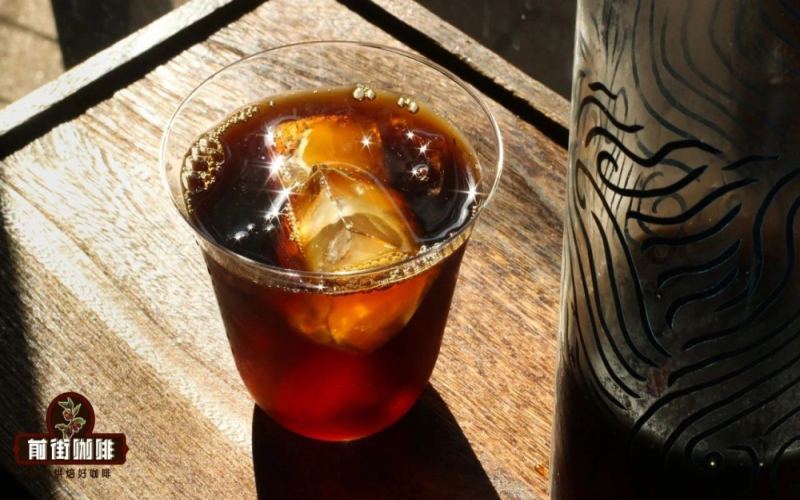
What Type of Coffee Does Cold Drip Coffee Belong To? A Detailed Explanation of the Preparation Steps and Its Flavor Differences from Cold Brew Coffee
As temperatures gradually rise, cold beverages enter their peak sales season, and cafés are putting all kinds of iced coffee on their menus, including Americano, cold brew, and the rather time-consuming ice drip coffee. Many consumers wonder why ice drip coffee is often priced considerably higher than ordinary iced coffee. In this article, Front Street Coffee will explain ice drip coffee's category classification, extraction principles, complete brewing process, and how it differs in flavor from cold brew coffee, while also introducing ice drip coffee's storage advantages and the people it suits, to help coffee lovers gain a comprehensive understanding of this slow-crafted coffee category. [more…]

How to Choose the Roast Level for Cold Brew Coffee Beans? A Full Guide to Grind Ratio, Extraction Time, and Simplified Home Methods
Although cold brew coffee is not common in everyday home brewing, its clean taste and rich fermented aroma have made it unforgettable to many coffee lovers. Making cold brew coffee requires a dedicated cold brew pot and takes a long time, which is also why it remains relatively niche. However, the core of a cold brew pot is actually just the flow restriction valve—as long as you can control the dripping speed of the ice water, you can make cold brew coffee at home even with an ordinary dripper. This article will cover the choice of roast level for cold brew coffee beans, grinding and coffee-to-water ratio, extraction time, and a simplified method that does not require a professional cold brew pot. It also includes Front Street Coffee's bean list recommendations and practical parameters for friends who want to try cold brew at home. [more…]

Coffee Equipment | What equipment is needed to make ice drip cold brew? How long can ice drip cold brew coffee be stored? Why does cold brew ice drip taste better after sitting overnight?
For more specialty coffee knowledge, please follow our WeChat public account: Front Street Coffee (FrontStreet Coffee). Recently, more and more friends have been making cold brew coffee, ice drip coffee, and other cold-brewed coffees at home. The ice drip coffee that Front Street prepares in advance is also in short supply. Many friends have also asked, [more…]
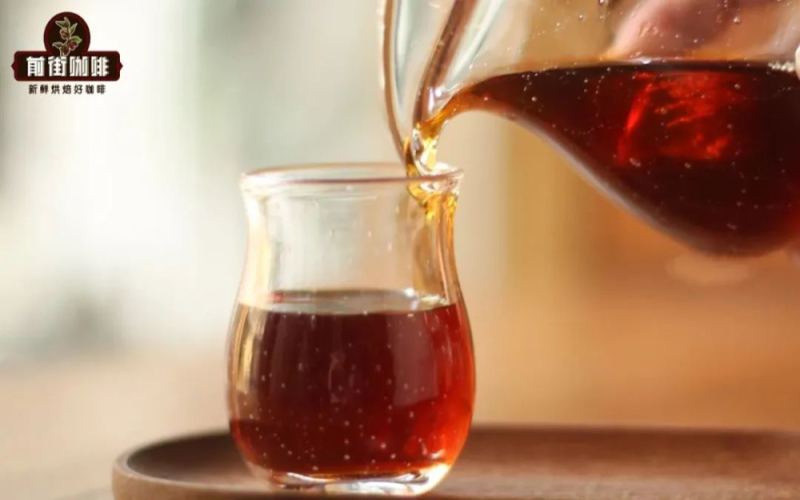
What's the Difference Between Cold Brew, Ice Drip, and Iced Americano? An In-Depth Look at the Ice Drip Coffee Process and Why It's Priced Higher
In the scorching summer heat, iced coffee becomes the top choice for many. But can you really tell the difference between cold brew, ice drip, and iced Americano? Why is ice drip coffee often more expensive? Starting from the practices at Front Street Coffee, this article provides a detailed comparison of the two major categories—hot extraction and cold brew—and takes a deep dive into ice drip coffee's dedicated equipment, extraction process, time costs, and raw material selection, while explaining the core reasons behind its higher pricing. Whether you're a coffee enthusiast or a industry professional, you'll gain clear insights and practical references. [more…]
How to Use a Cold Drip Coffee Maker: From Equipment Structure to Brewing Ratios, a Detailed Guide to the Process and Pricing Logic
Ice drip coffee is the most ceremonial member of the cold brew family. It relies on a dedicated ice drip tower, letting ice water pass slowly through the coffee bed at a rate of one drop every 1 to 2 seconds, taking several hours or even more than ten hours to complete extraction. Compared with iced Americano or cold brew, ice drip coffee has a cleaner, clearer mouthfeel, often with a bright fruity acidity and fermented wine-like aroma. Taking the Tiamo three-tier ice drip tower as an example, Front Street Coffee uses a 1:10 coffee-to-water ratio, extracting 600 ml of coffee liquid from 60 g of grounds, then refrigerating and resting it for more than 8 hours. This article will begin with the structure of the ice drip tower and its operating parameters, and its differences from cold brew, then analyze the reasons why ice drip coffee is priced relatively high, helping enthusiasts understand this slow, careful brewing method. [more…]
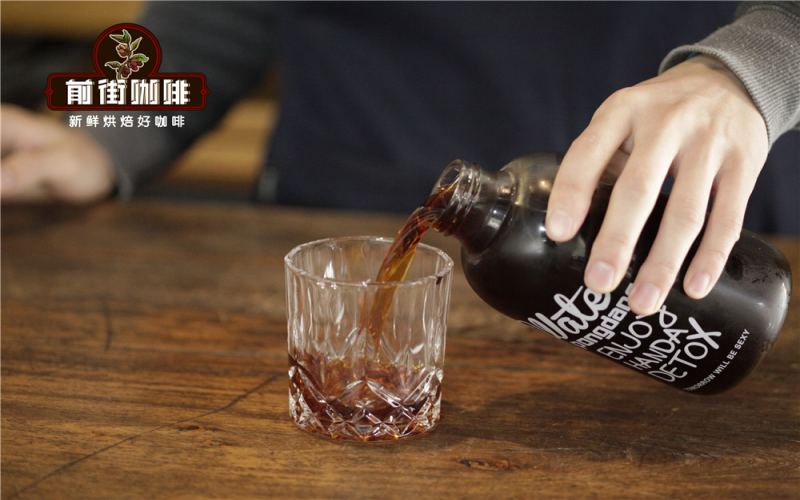
Ice Drip Coffee | Which coffee bean origin is recommended for making ice drip coffee? The origin and story of ice drip coffee
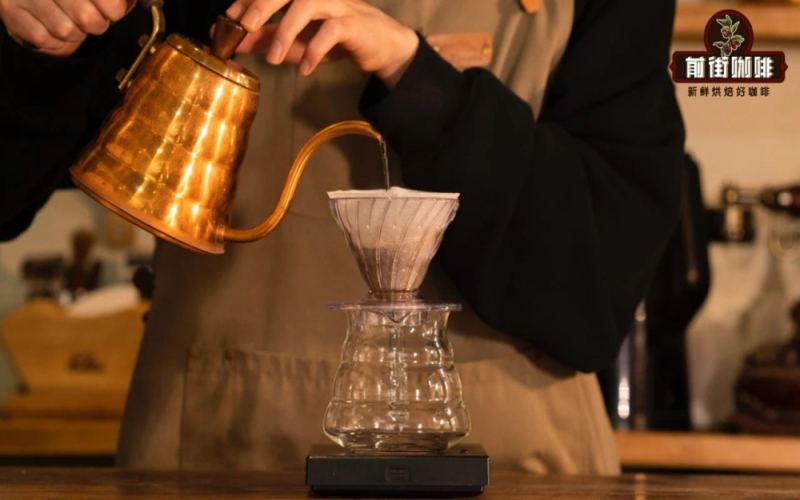
Ice drip coffee, also known as ice-brewed coffee or water-drop coffee, is called Ice Drip coffee in English and is a method of making coffee drinks. Generally, cold brew coffee refers to coffee made by steeping ground coffee beans in room-temperature water for as long as ten-plus hours, after which special filter paper or a filter is needed to separate the water from the coffee. [more…]
A Detailed Guide to the Flavor and Mouthfeel Characteristics of Cold Brew Coffee, with Recommended Coffee Beans for Making Cold Brew
Ice drip coffee uses ice water for low-temperature extraction over a long period, allowing the flavor and aroma to be sealed within the coffee liquid. Upon entering the mouth, it bursts with intense aroma as the temperature rises, offering a full-bodied taste with lower levels of bitterness and tannic acid. Compared with high-temperature pour-over extraction, ice drip coffee has less caffeine and richer layers, making it suitable for people sensitive to caffeine. Making ice drip coffee involves certain considerations in bean selection, usually favoring single-origin beans, though a blend of two beans can also be used to highlight a balance of aroma and flavor. This article will systematically introduce the flavor characteristics and key production points of ice drip coffee, from extraction principles, historical origins, and bean selection to Front Street Coffee's specific recipes and operating steps. [more…]

No Ice Drip Pot Needed: Homemade Ice Drip Coffee Tutorial and Cold Storage Duration Guide
In hot weather, a glass of cold brew coffee always brings a refreshing coolness. Front Street Coffee's cold brew has recently been in short supply, and many people choose it not only because its flavor differs from ordinary iced coffee, but also because they feel they can't make it at home. In fact, with just a dripper, a few filter papers, ground coffee, and ice cubes, you can put together a simple "home-version cold brew tower." This article breaks down in detail the equipment, parameters, operating steps, and common mistakes of this method, while also explaining the extraction impact caused by the structural differences between a dripper and a cold brew tower, and providing a list of Front Street beans suitable for making cold brew. Finally, it will also explain how long cold brew coffee needs to be refrigerated and fermented after it is formed, as well as how long it can be stored under refrigeration and at room temperature respectively. [more…]
Ice Drip Coffee vs. Cold Brew Coffee: Key Differences Explained — From Bean Selection to Extraction, Front Street Coffee Shares Five Keys to Making Ice Drip Coffee
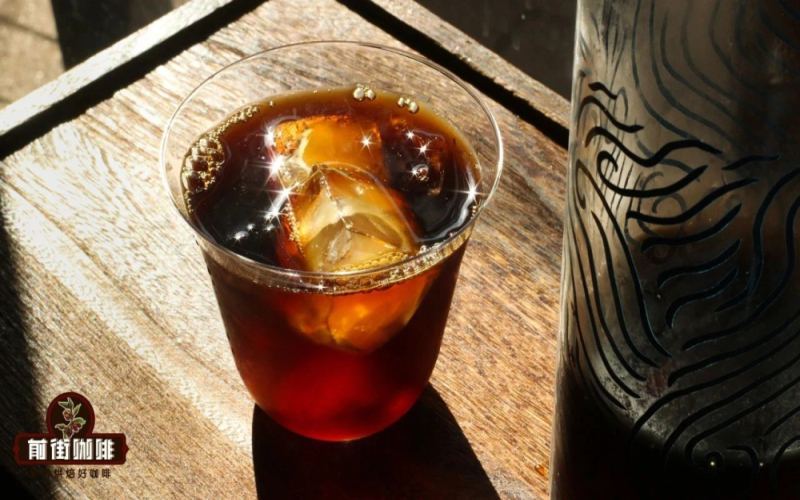
Although ice drip coffee and cold brew coffee both fall under the category of cold drinks, they differ noticeably in equipment structure, extraction principles, and operational details. Drawing on practical experience from Front Street Coffee shops, this article systematically breaks down the key points of making ice drip coffee, covering five major factors: coffee bean selection, grind size, drip rate, coffee-to-water ratio, and drinking method, along with specific parameter recommendations. Whether you are a beginner just getting into ice drip or an enthusiast hoping to improve the consistency of your brews, you will find practical operational ideas to reference here. [more…]
What Is Ice Drip Coffee? How Is It Different from Cold Brew? Front Street Coffee Geisha Cold Brew and Ice Drip Methods Explained in Detail
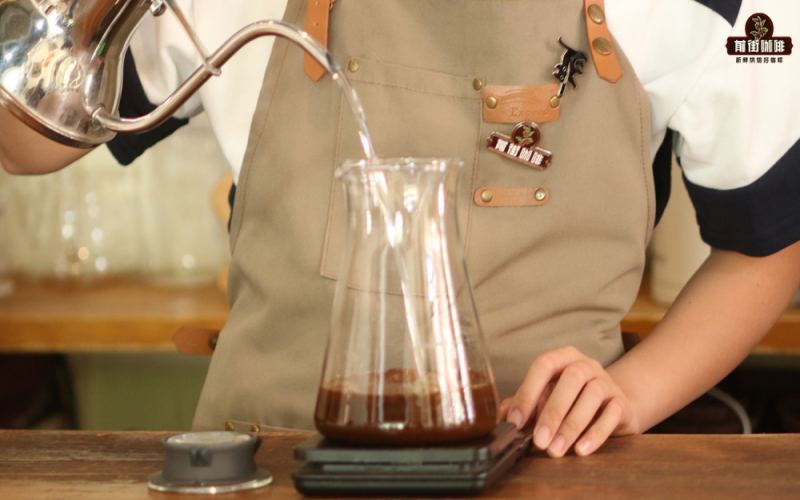
Although ice drip coffee and cold brew coffee both focus on low-temperature extraction, their brewing principles and taste profiles each have their own strengths. Cold brew relies on long soaking followed by filtering, making it relatively easy to do; ice drip, on the other hand, requires a dedicated drip device, with ice water passing through the coffee grounds drop by drop at an extremely slow rate, and this dynamic extraction brings a cleaner, clearer flavor. This article will detail the equipment structure, extraction principle, and taste characteristics of ice drip coffee, and use the Tiamo three-tier ice drip pot as an example to explain Front Street's ice drip brewing parameters, while also recommending a high-quality single-origin bean suited to ice drip—Front Street Butterfly. In addition, the article will share Front Street's specific cold brew coffee method, including key steps such as coffee-to-water ratio, grind size, and refrigeration time, to help you easily make refreshing summer iced coffee at home. [more…]
Cold Brew Coffee Brewing Parameters | How to Distinguish Ice Drip from Cold Brew? What Are the Flavor Differences Between Ice Drip and Cold Brew Coffee? Why Is Ice Drip More Expensive Than Cold Brew?
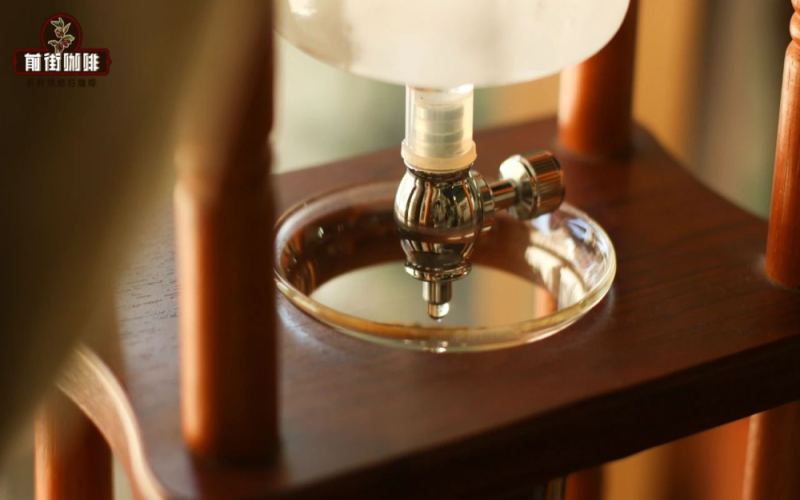
Ice drip coffee and cold brew coffee are both relatively common types of iced coffee. Many friends still haven't clearly distinguished between them, so Front Street Coffee is here to share some relevant knowledge. The shared characteristic of ice drip coffee and cold brew coffee is low-temperature extraction, and both take a relatively long time to make, so it's basically impossible to make them to order. However, their extraction methods [more…]
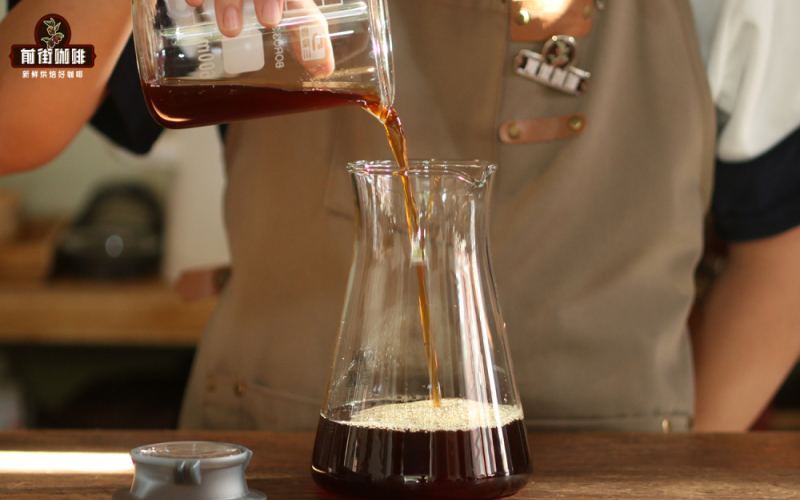
Analysis of Ice Drip and Cold Brew Coffee Storage Time in the Refrigerator: Why the Flavor Is Better After 12 Hours of Chilling
In recent years, more and more coffee enthusiasts have begun trying their hand at making cold brew and ice drip coffee at home, and the ice drip coffee produced by Front Street Coffee is often in short supply. Many friends are concerned about: how long can this kind of low-temperature extracted iced coffee be kept after being placed in the refrigerator? Why does ice drip coffee actually taste better after 12 hours of refrigeration? This article will focus on the principles of low-temperature extraction, equipment selection, coffee bean recommendations, and the flavor evolution during refrigeration, systematically answering the shelf life and optimal drinking time of iced coffee, helping you both enjoy great taste and ensure safety. [more…]
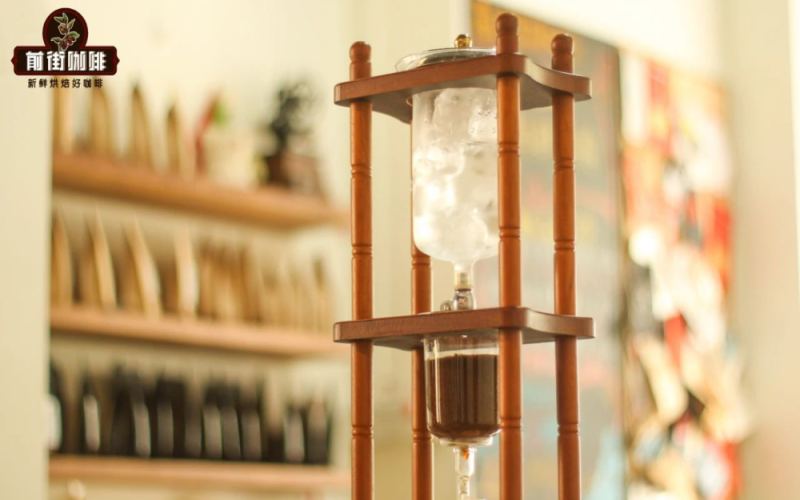
Why Isn't Cold Brew Coffee Sour or Astringent? A Detailed Explanation of Its Taste Characteristics, Brewing Method, and the Principles of Low-Temperature Aging
Ice drip coffee is known for its clean, full-bodied, smooth taste and rich fermented wine aroma, but many people mistakenly think it contains alcohol when they first encounter it. In fact, ice drip is a type of cold brew coffee, made by extracting drop by drop with ice water over a long period. Freshly made ice drip is not at its best for drinking; it needs low-temperature aging in the refrigerator to reveal its full fruity feel and wine aroma. Based on Front Street Coffee's production practice, this article explains in detail the coffee-to-water ratio, drip rate, aging time, and storage recommendations for ice drip, giving you a comprehensive understanding of the flavor sources and key production points of ice drip coffee. [more…]

From Grinding to 8 Hours of Refrigeration: A Complete Illustrated Guide to Making Cold Brew Coffee and a Detailed Explanation of the Coffee-to-Water-to-Ice Ratio
Following yesterday's sharing of the cold brew coffee method, today we turn our attention to the more challenging ice drip coffee. Compared to the simple soaking of cold brew, ice drip demands more attention to equipment, steps, and time investment, requiring more patience and meticulous operation. This article will use a combination of text and images to fully demonstrate the entire process of ice drip coffee, from equipment preparation, filter paper placement, coffee bed moistening, ice-water ratio, to drip rate control and refrigerated maturation, and will explain the 1:6:6 ratio of coffee powder to water to ice used this time and the Front Street recommended Honduras Sherry bean. Even without specialized ice drip filter paper, there is an alternative cutting solution. Follow the steps, and after a long wait, you can enjoy a cup of ice drip coffee with distinct layers. [more…]
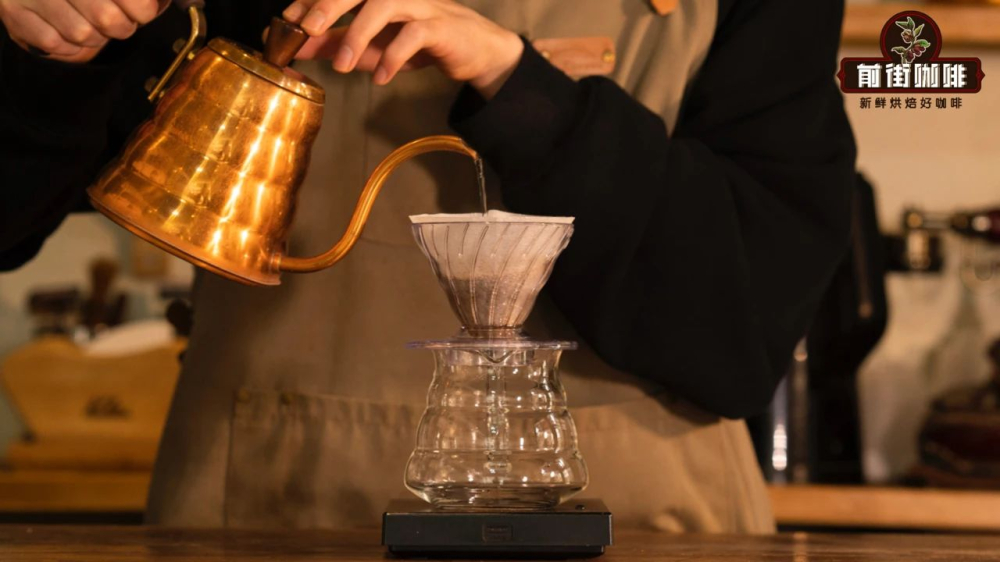
Flavor and Taste Characteristics of Cold Brew Coffee | What Is the Extraction Principle of Cold Brew Coffee? Which Single-Origin Coffee Beans Are Recommended for Making Cold Brew Coffee at Home?
For more specialty coffee knowledge, please follow: Front Street Coffee (Frontsteet Coffee) Pour-over coffee has always tasted great, though of course you need to get some of the details right. Maybe it's time for a change of pace—then go for a cup of cold brew coffee! Front Street's cold brew coffee has always been very popular. [more…]
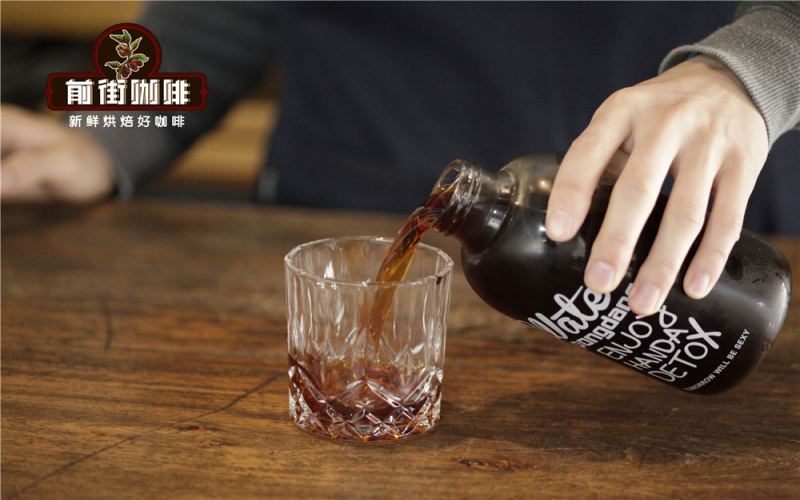
Analysis of the Coffee-to-Water Ratio, Grind Setting, and Complete Brewing Process for Cold Drip Coffee
Cold brew coffee is made by slowly passing ice water through a bed of coffee grounds at low temperature, extracted over several hours, resulting in a delicate flavor and concentrated aroma that is completely different from hot pour-over. This article systematically explains the origin and evolution of cold brew coffee, the flavor advantages and disadvantages of low-temperature extraction, the types of coffee beans suitable for making cold brew, and the structure and usage of cold brew makers. It also provides detailed key parameters including grind size selection, coffee-to-water ratio, drip rate control, and refrigerated fermentation, and shares practical experience with beans such as Front Street Mozart, helping coffee enthusiasts reliably replicate at home a cup of cold brew coffee with a pronounced fermented character and a full-bodied mouthfeel. [more…]
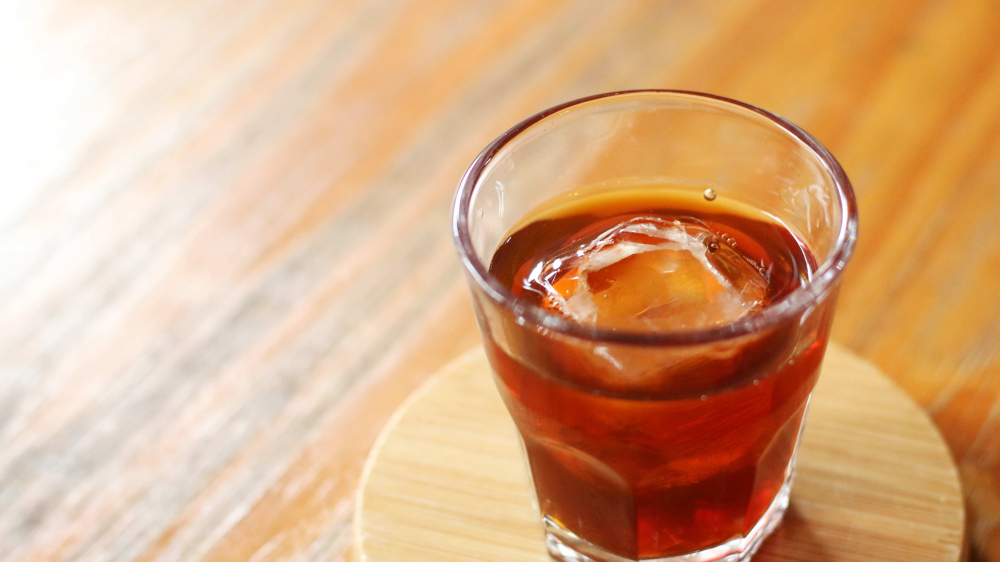
Types of Iced Coffee | Is There a Big Difference Between Ice-Drip Coffee and Cold Brew? What Is the Extraction Principle of Cold Brew and Ice-Drip Coffee? An Introduction to the Flavor, Taste Characteristics, and Methods of Cold Brew and Ice-Drip Coffee
For more specialty coffee knowledge, please follow our WeChat official account: FrontStreet Coffee. Many customers who come to Front Street to drink coffee discuss whether there is a difference in taste between ice drip coffee and cold brew coffee. These are both common methods of making cold coffee, but these two kinds of coffee [more…]

A Detailed Guide to the Differences Between Ice Drip and Cold Brew Coffee: Ice Drip Coffee Bean Recommendations, Coffee-to-Water Ratio, and Grind Size Guide
In the scorching summer heat, iced coffee becomes a lifesaver for many. But did you know? Cold brew coffee actually encompasses three distinctly different methods: ice drip, iced, and cold brew immersion. Their flavor profiles, brewing principles, and suitable occasions vary greatly. This article will provide an in-depth analysis of the differences between ice drip coffee and cold brew coffee, and detail Front Street Coffee's ice drip brewing parameters—including 60 grams of coffee grounds, a 1:10 coffee-to-water ratio, a grind size with 85% passing through a China standard No. 20 sieve, and an extraction time of 6 to 8 hours. It will also share methods for making iced Americano and cold brew immersion coffee, and recommend several coffee beans suitable for ice drip, including Front Street Mozart, Front Street Kenya Little Tomato, and Front Street PWN Golden Mandheling, to help you find the summer iced coffee solution that best suits your taste. [more…]